Yoshinori Niwa
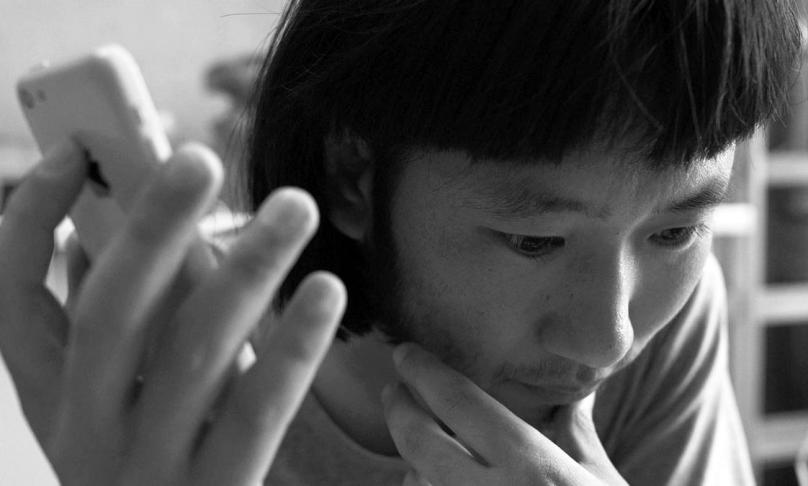
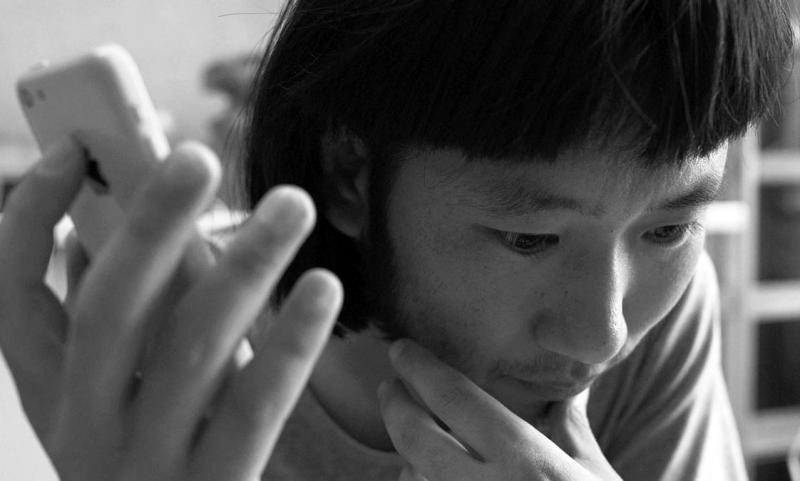
Yoshinori Niwa’s interventionist practice is grounded in performance art and political observations, which the artist frequently explores in situ. It is mostly the artist himself who acts as a protagonist in public space, here, thereby reclaiming and radically transforming sites of contestation. Niwa’s artistic interventions claim a “right to the city,” a concept originally addressed by the French philosopher Henri Lefebvre in his eponymously titled 1968 book “Le Droit à la Ville” in which he argued that urban space should not be controlled solely by capitalist forces but instead shaped and governed
by the citizens themselves. In this context, Niwa brings spatial inequalities to the fore—thereby revealing political mechanisms. Niwa’s artistic projects contribute to the debate about public space and about the multiple influences that shape people’s behavior. In his performances, he turns ubiquitous behavioral patterns upside down by evoking radical approaches to re-thinking conventional forms of conduct. The artist analyzes the manipulative forces affecting life in communal entities, forces often triggered by right-wing political agendas. His projects conjure up repressed feelings by addressing issues openly, which may cause unpleasant scenarios to ensue. In this way, he renders tactics of invisibility visible by exploring the forces that lie hidden behind the everyday and the routine practices that result. The topics addressed in Niwa’s projects relate to political and commercial and/or market-driven mechanisms that stem from capitalist and neo-liberal thinking. Having evaded life in a hyper-capitalist country such as Japan by choosing Vienna as his place of residence, the artist lays bare the underlying structures of politically driven economic and societal models to reveal that which has been taken for granted by a majority of people. Niwa’s projects consistently feature ironic twists that make them witty but possessed of a bitter taste. In his precise analysis of social structures he becomes an observer of the intricacies of life with its insurmountable thresholds, which he tackles using his own specific artistic means. W.S.
more