Mark Verlan
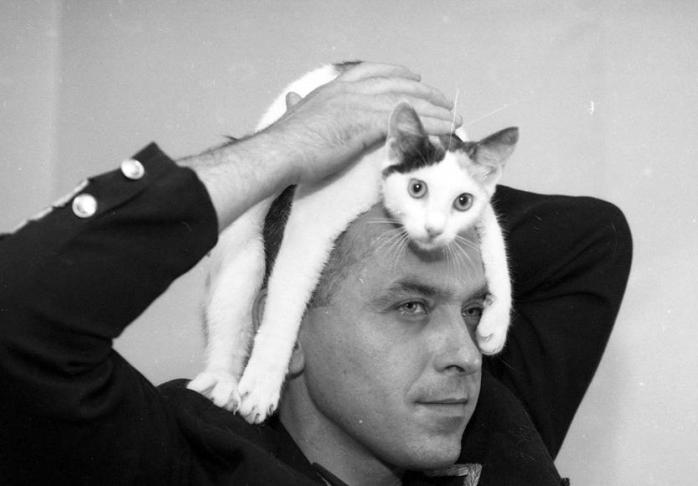
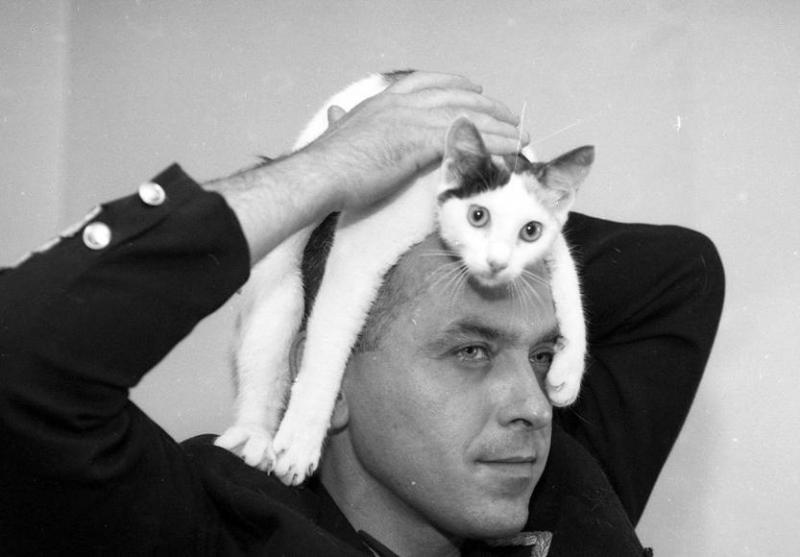
Mark Verlan occupies a singular position within the landscape of post-Soviet Eastern European art. As one who emerged during the final decades of the Soviet Union and the turbulent formation of independent Moldova, Verlan developed an artistic language that resisted conventional classification. He engaged in a multidisciplinary practice encompassing painting, drawing, performance, sculpture, installation, poetry, and artist’s books, thereby becoming one of the central figures of the Moldovan neo-avant-garde. Verlan’s oeuvre is distinguished by its fusion of irony, fantasy, and social observation. He
used invented characters, fictional histories, and symbolic narratives to construct alternative realities. His most ambitious conceptual project, the “Kingdom of Moldova,” represents an imaginary state populated by relics, maps, insignia, and handcrafted objects. For this fictional realm, Verlan transformed found materials into seemingly authentic artifacts—giving rise to a subtle yet incisive commentary on nationhood, collective memory, and the uncertainties of post-Soviet identity. Characteristic of Verlan’s artistic output is the blurring of boundaries between art and everyday life. His drawings frequently combine observational sketches with fantastical creatures and invented populations, while his objects and installations elevate discarded objects to the status of poetic symbols. This hybrid visual vocabulary allowed him to explore themes of marginality, transformation, and the absurdity of social realities without abandoning empathy and a deep sense of wonder. Performance also played a crucial role in Verlan’s practice. In the mid-1990s, he established an artistic persona that merged folklore, ritual, and contemporary cultural critique. The actions he undertook in this context exemplified his understanding of art as a continuous process positioning the artist as a mediator between lived experience and imaginative reconstruction. Beyond the visual dimension, Verlan’s handwritten notes, inscriptions, and poetic texts form a further integral component of his oeuvre. These writings, often placed on the reverse of paintings or incorporated into objects, reveal an introspective and philosophical angle that complements his imagery’s apparent playfulness. Mark Verlan’s legacy can be regarded as a testament to artistic freedom, creative resistance, and the power of imagination. His works transform local experiences into universal reflections on memory, identity, and human vulnerability. W.S.
more